Perched above the Exe Estuary with sweeping views across the water towards the Devon countryside, Lympstone Manor Estate has evolved over centuries. From a modest farmhouse to a Georgian country house, and today a luxury hotel, restaurant and English vineyard, the estate’s story is one of changing tastes, remarkable characters and a landscape that has remained central to its identity.
From Farmhouse to Georgian Manor House
Originally a farmhouse known as Courtlands House, the property underwent its first great transformation after the Baring family took ownership in the 1760s. The Barings, whose family established the banking house that became Barings Bank, substantially extended the simple Georgian building and reshaped its surrounding landscape.
Their changes reflected the growing influence of the Picturesque movement, which celebrated naturalistic landscapes, carefully framed views and the relationship between architecture and its surroundings. Sweeping verandas, landscaped parkland and a turret gave Courtlands the character of a Regency country estate, while the historic Lady’s Walk, formal gardens and walled garden were also established during the Baring era.
Period descriptions reveal just how impressive the estate had become. Trewman’s Exeter Flying Post recorded extensive pleasure grounds, flower gardens, plantations, shrubberies and productive fruit gardens, alongside peach houses, a grapery and conservatory. The estate extended to around 70 acres, with views over the River Exe and surrounding countryside.
Courtlands Through the Victorian Era

Photo Credit: East Devon National Landscape (formerly AONB)
In 1829, William Francis Spicer took control of Courtlands. Although he made relatively few changes, it is thought that Lady’s Walk was widened during his ownership to provide a route towards the water’s edge.
The estate later passed to Octavius Browne, who added the porch to the front of the house and a small conservatory, before William Lethbridge acquired Courtlands in 1885. Lethbridge became an important custodian of the property and was the last significant investor in its architecture and gardens before the modern era.
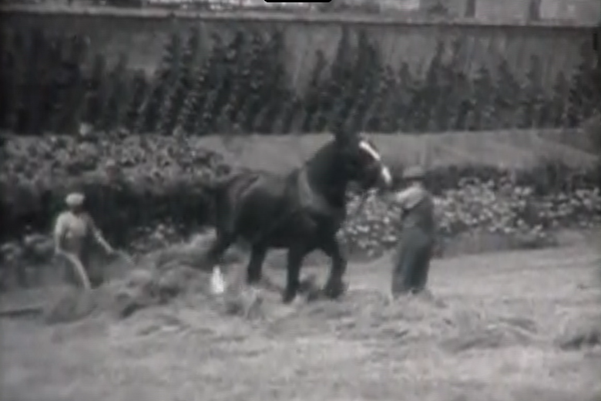
Photo Credit: East Devon National Landscape (formerly AONB)
The estate’s productive landscape was equally important. Its walled garden supplied vegetables for the manor, while flowers were grown for London’s Covent Garden markets. Over the following century, however, Courtlands gradually changed. Parts of the estate were sold, the glasshouse disappeared, houses were built within the former grounds and the historic walled garden was eventually separated from the property.
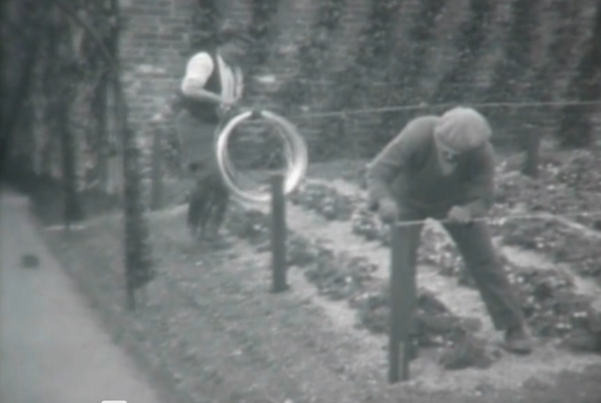
Photo Credit: East Devon National Landscape (formerly AONB)
A New Chapter: Michael Caines and Lympstone Manor
The estate entered a new era when chef Michael Caines MBE discovered Courtlands in 2014 and completed its purchase in 2015. An extensive restoration followed, with craftspeople reinstating period features of the Grade II listed house while preparing it for its future as Lympstone Manor. The hotel opened in April 2017 and earned a Michelin star within six months.
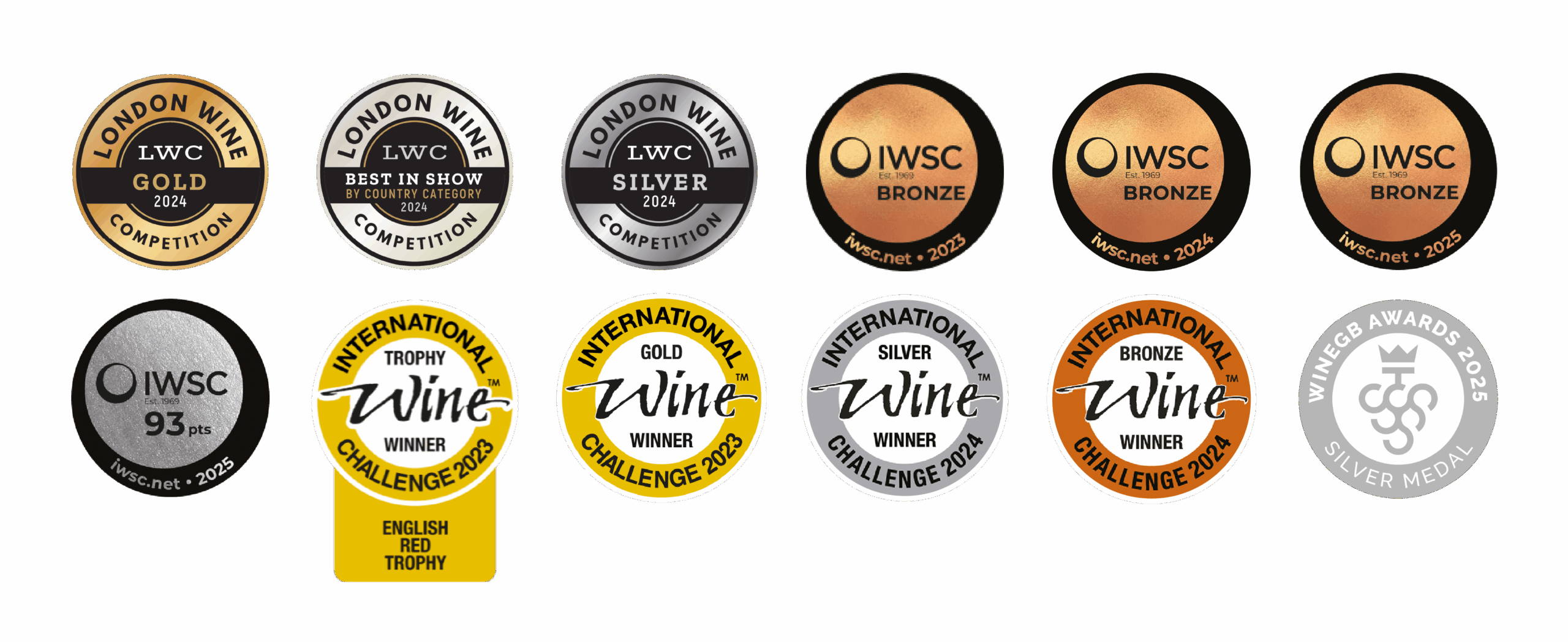
Michael’s vision also returned agriculture to the heart of the estate. In May 2018, 17,500 Chardonnay, Pinot Noir and Meunier vines were planted across the parkland below the Manor. The first grapes were harvested in 2020, and in 2023 the estate launched its Classic Cuvée sparkling wine.
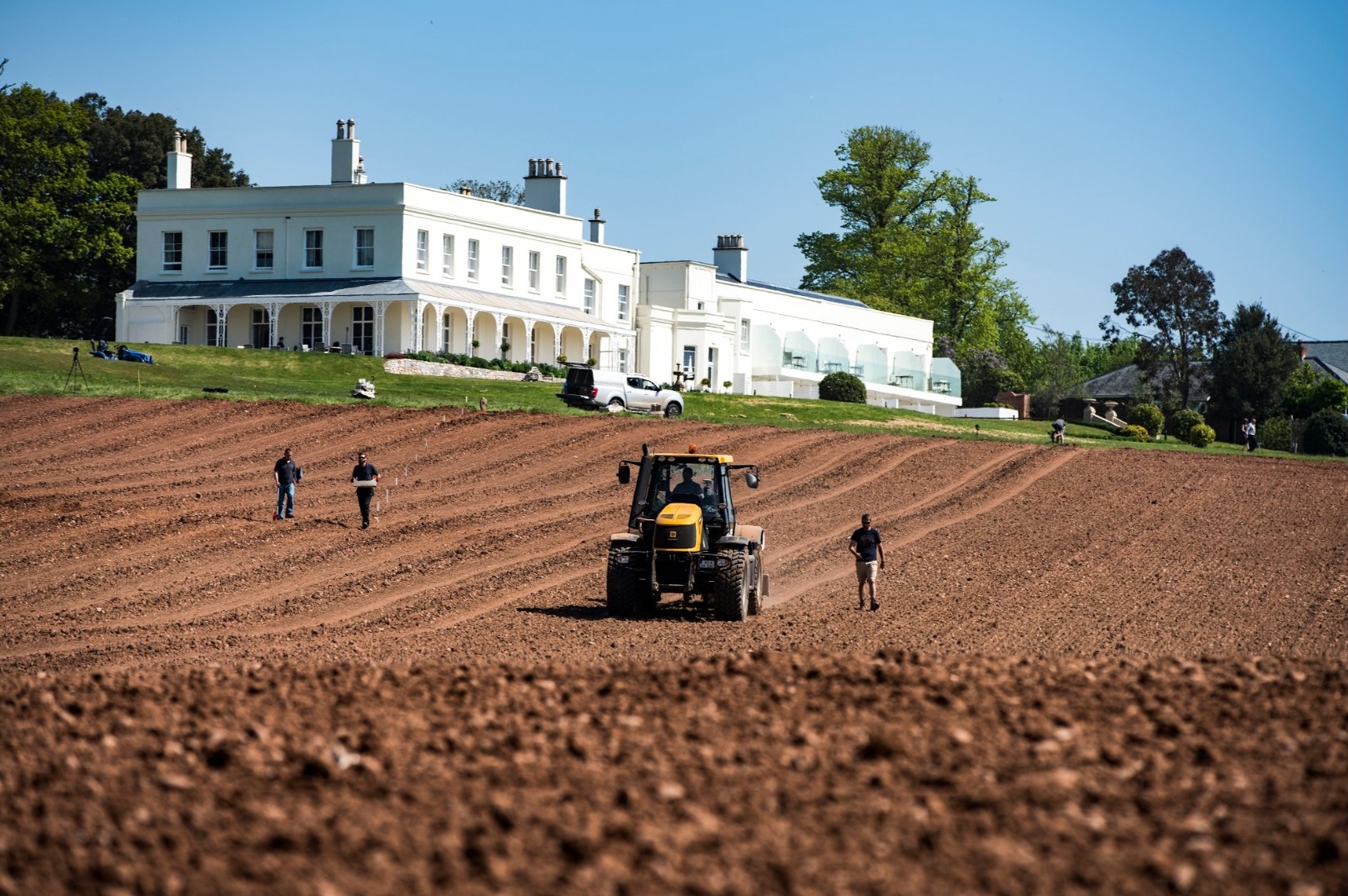
Today, the vineyard forms a striking new chapter in a landscape shaped over generations. From Georgian pleasure grounds and productive gardens to rows of vines overlooking the Exe Estuary, Lympstone Manor continues a centuries-old relationship between the house, the land and the remarkable Devon landscape surrounding it.
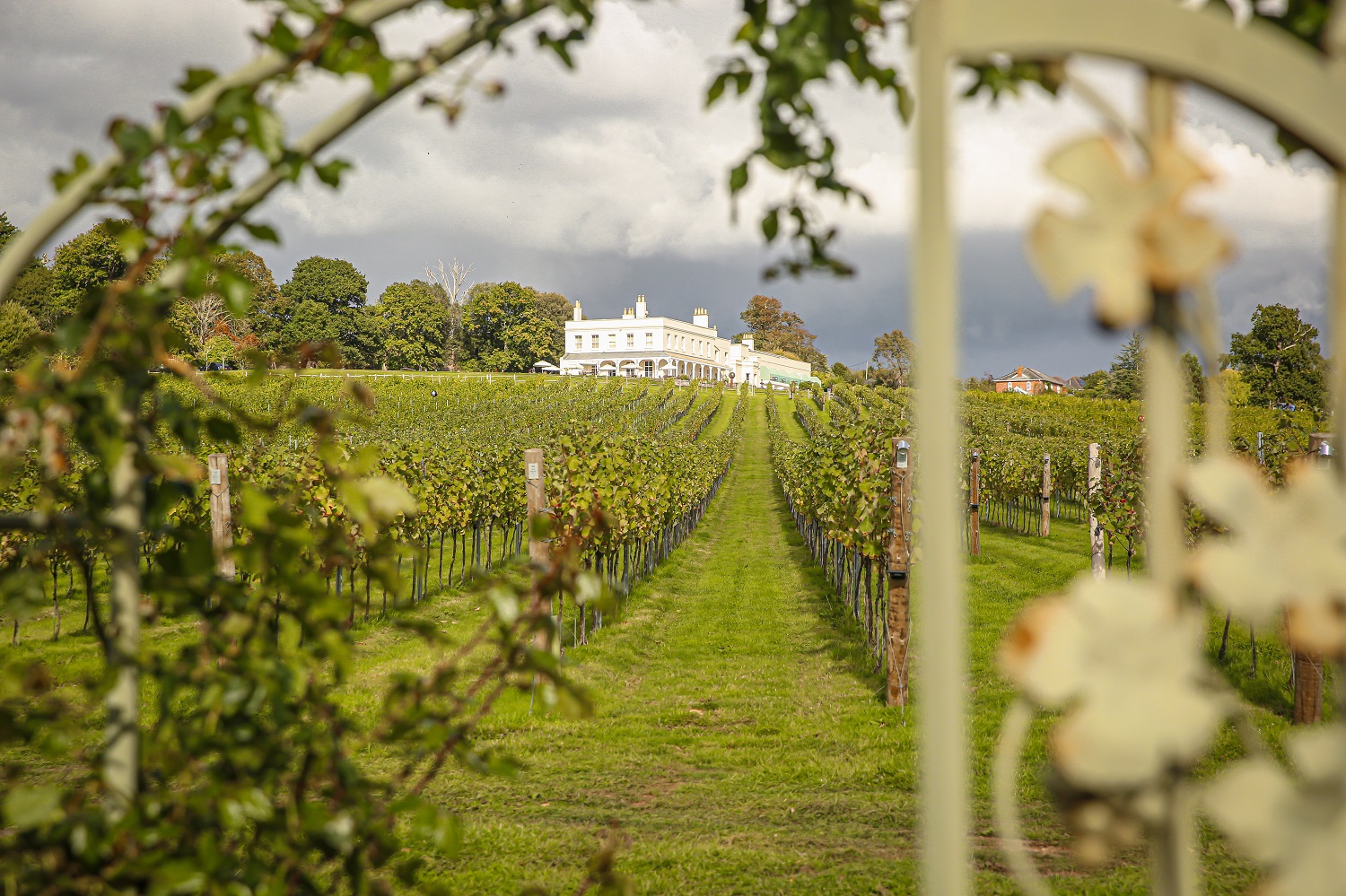
Discover Lympstone Manor Estate Wines
Discover the story in every glass. Explore Lympstone Manor Estate’s vineyard, learn more about our award-winning English wines and discover how our unique position overlooking the Exe Estuary shapes what we grow and produce.
Find out more about Lympstone Manor Estate wines.